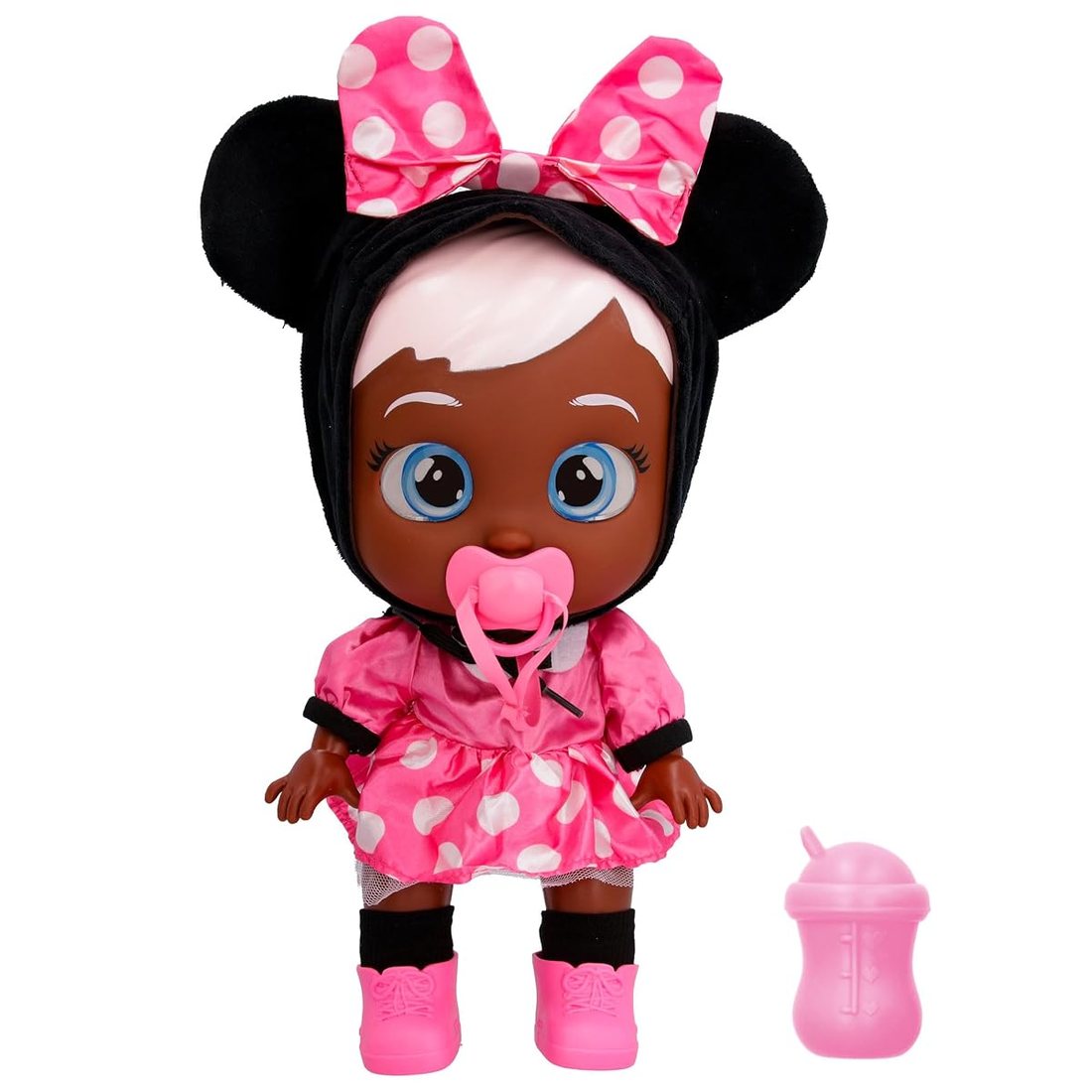
Disney Minnie Mouse
$44.90
4.8 (127)
Prices, ratings and photos on this shelf are read off the live listings by hand, room by room.
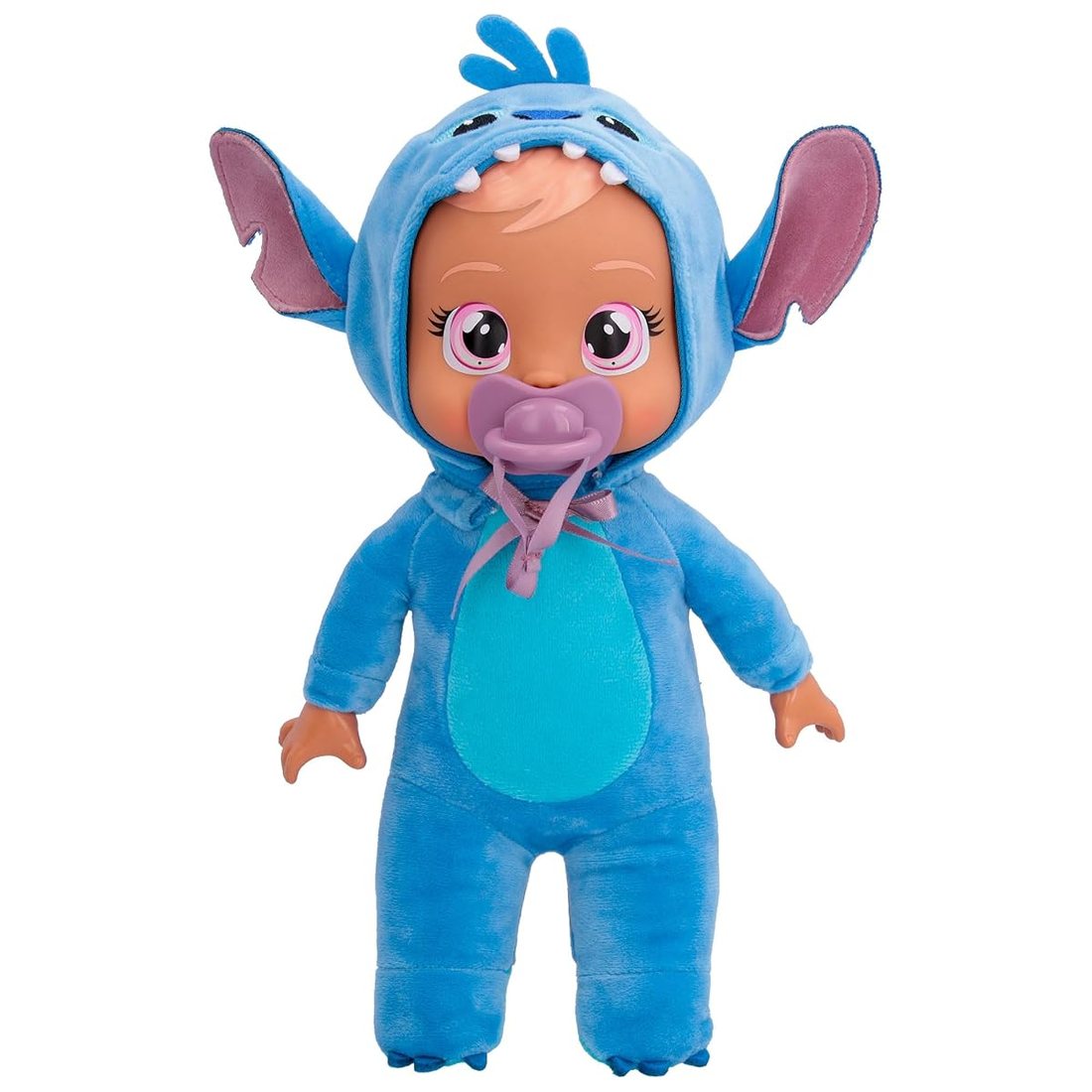
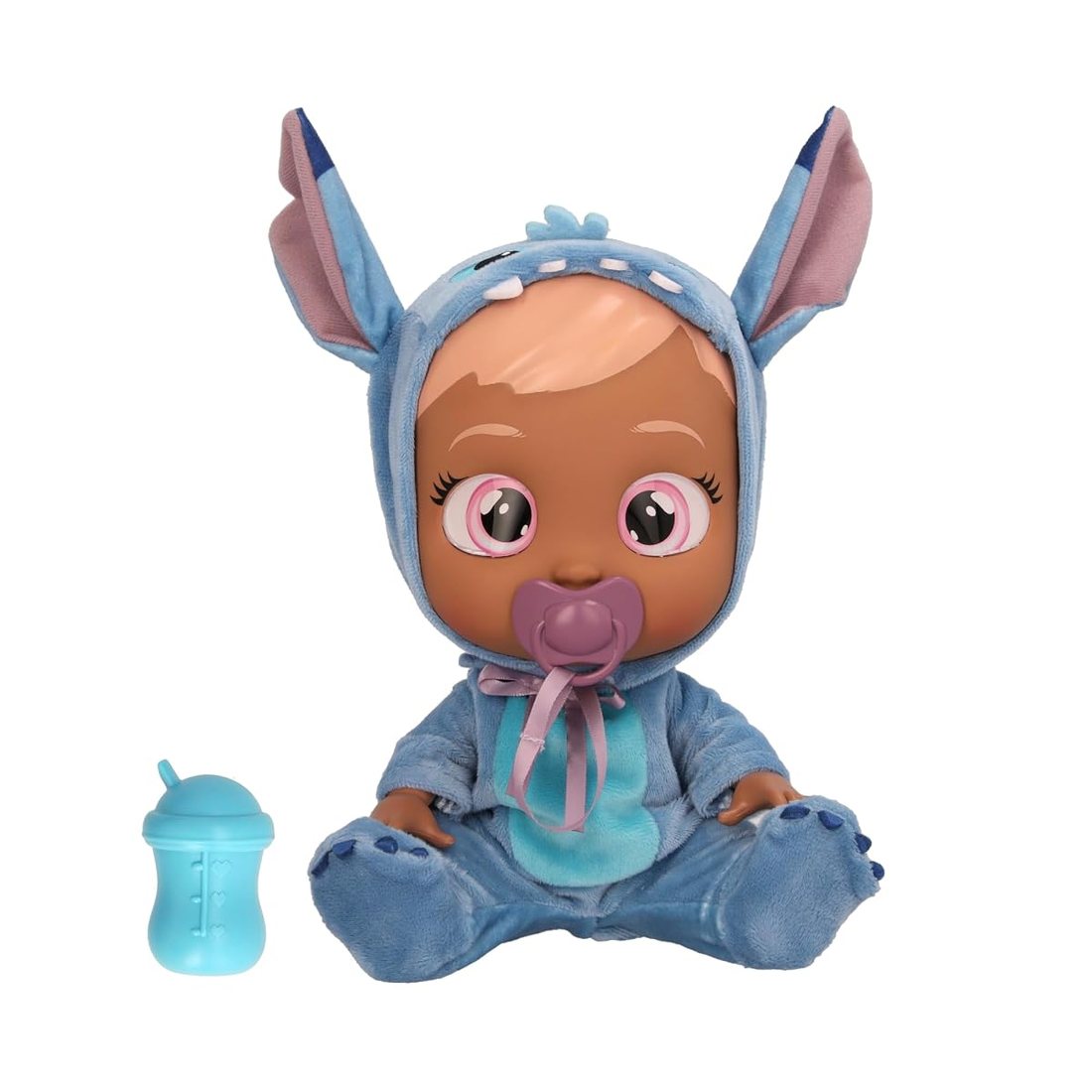
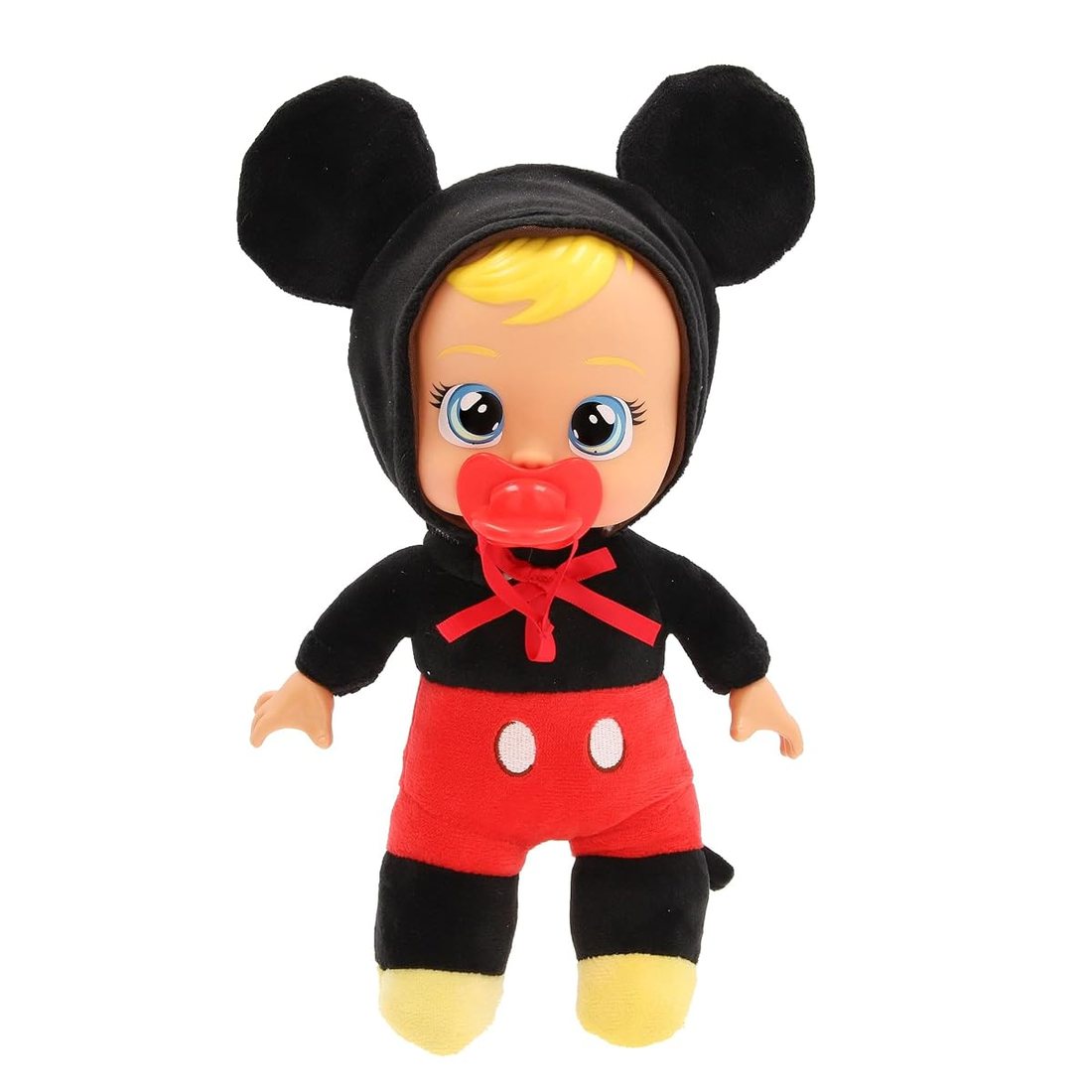
One room for the crossovers. These are ordinary Cry Babies dolls that cry real tears, wearing somebody else's costume, and the costume is sewn in detail — Minnie's dotted dress with the bow and the shoes, Stitch's blue onesie with the ears and the back ridge, Mickey's personalised pyjamas.
$44.90
4.8 (127)
$29.97
4.7 (794)
$27.99
4.7 (448)
$15.99
4.8 (369)
$14.99
4.5 (774)
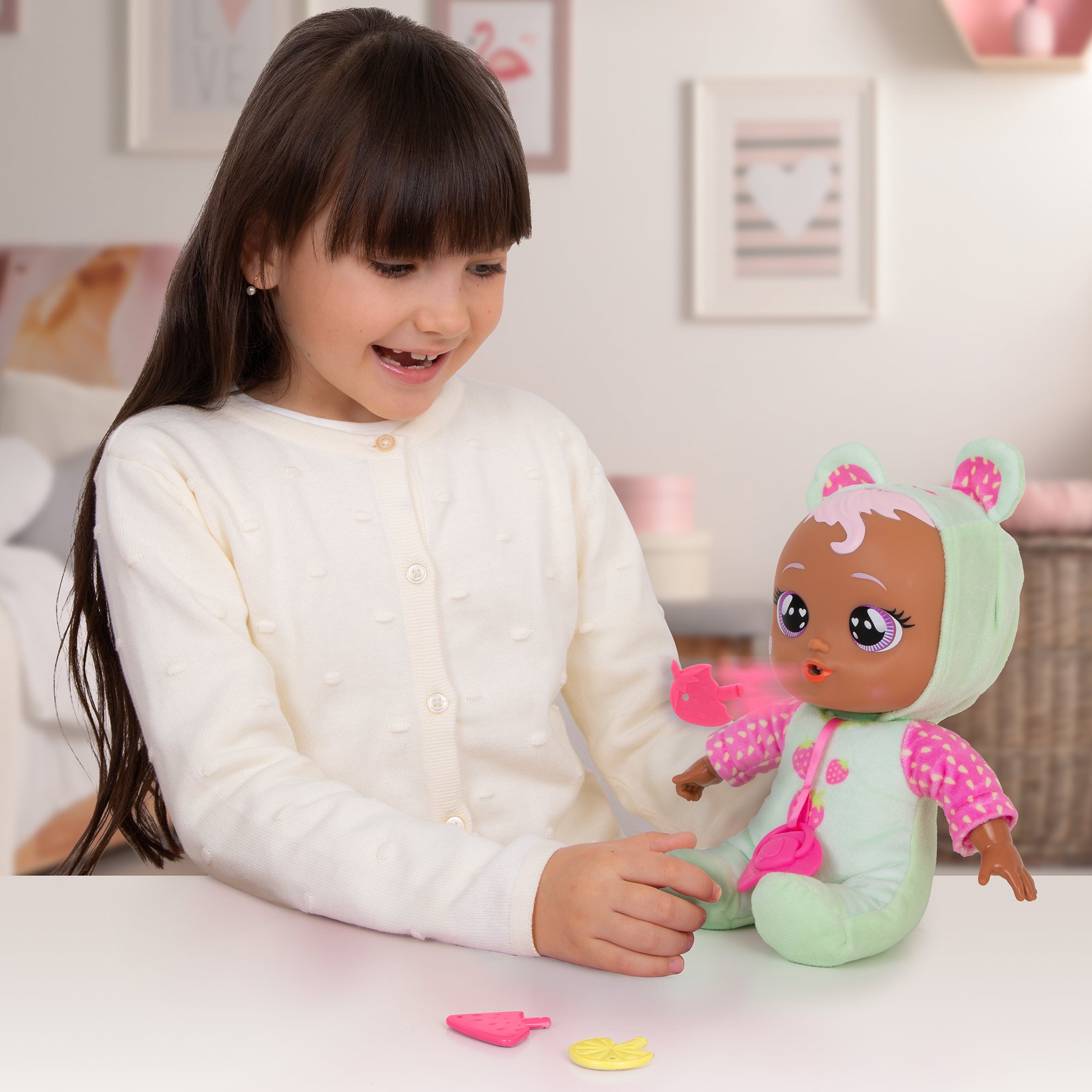
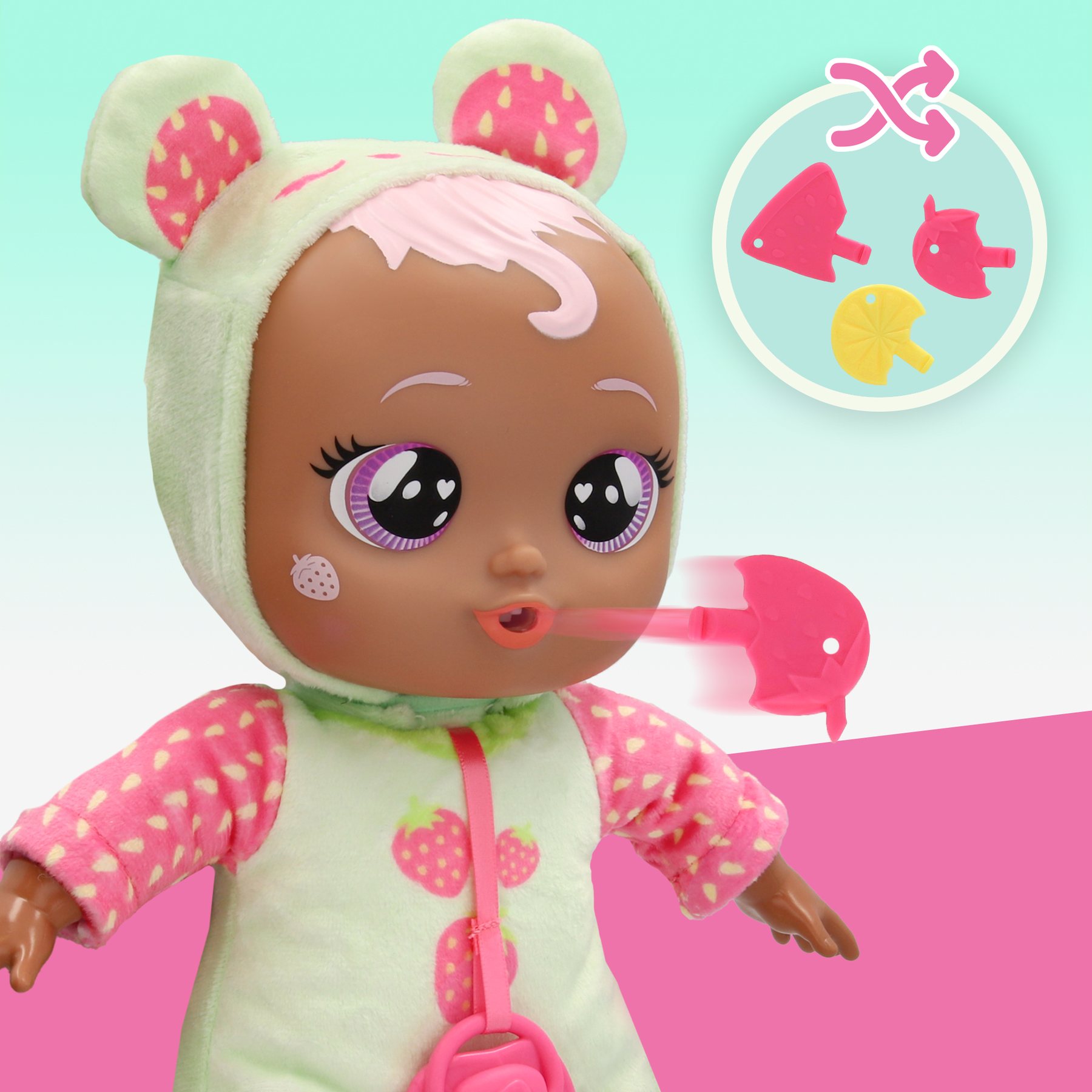
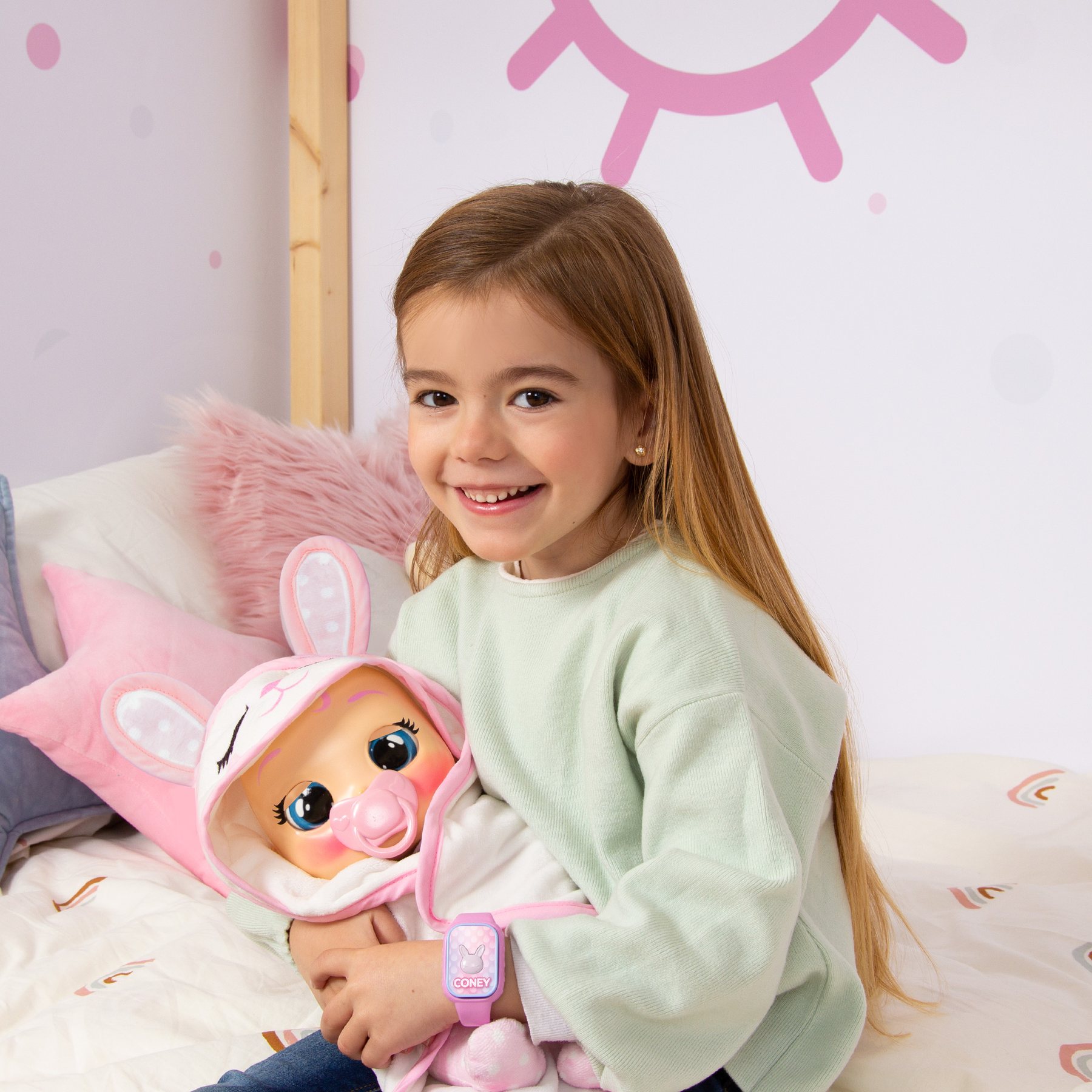
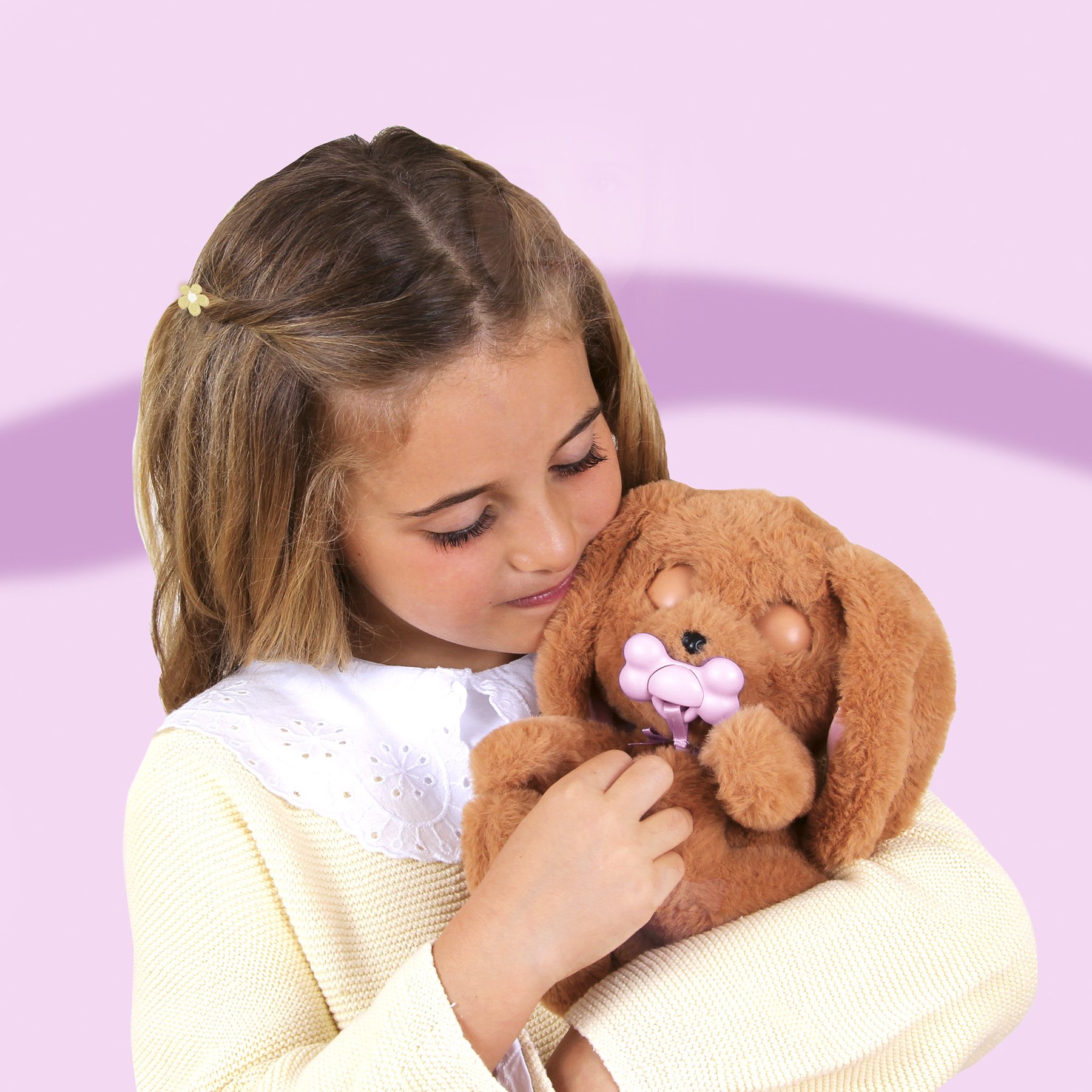
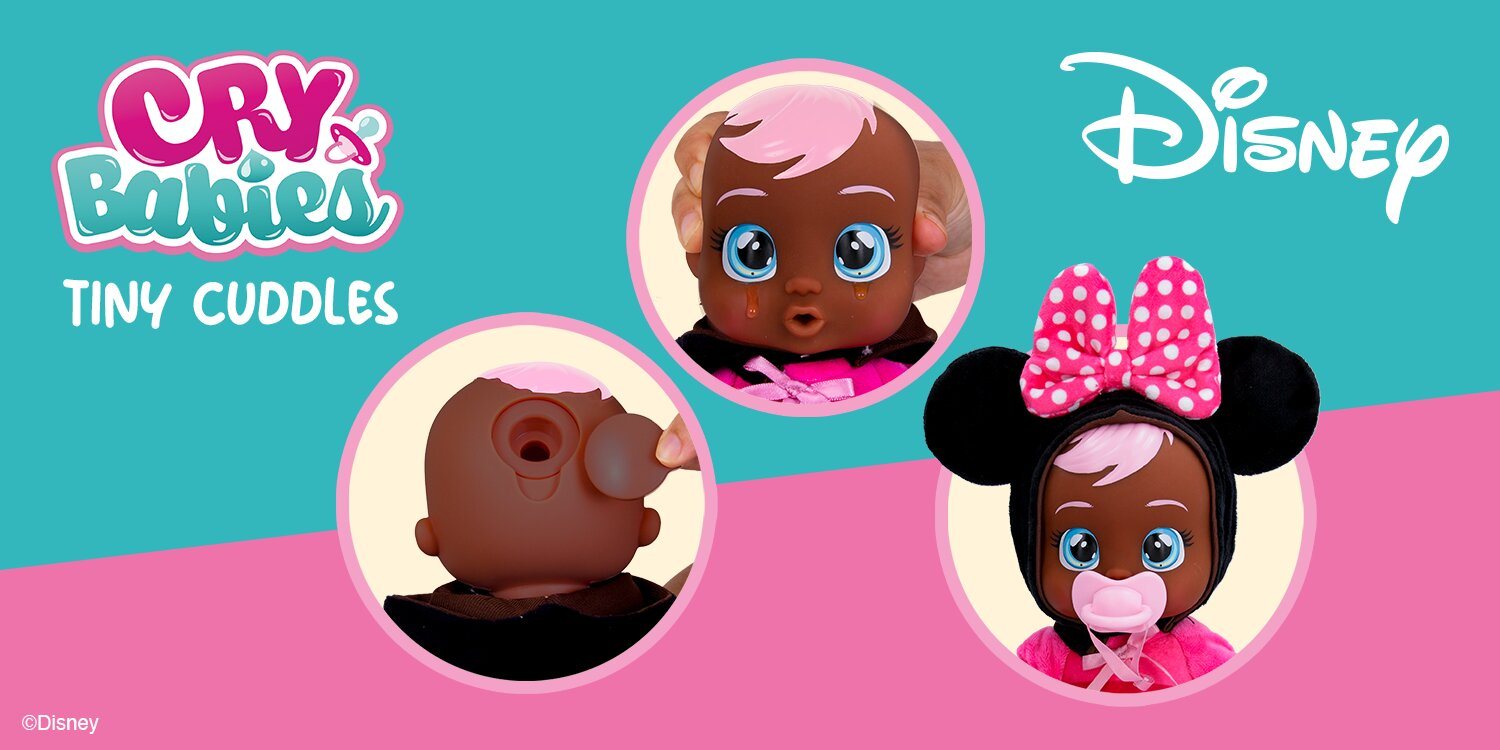
Both mechanisms live in this suite. The 12-inch Minnie and Stitch babies are the battery kind that cry when the pacifier comes out. The Tiny Cuddles Mickey and Stitch are the soft kind that cry when you fill the head with water and press it. Same characters, completely different toy — worth knowing before you pick by the photo.
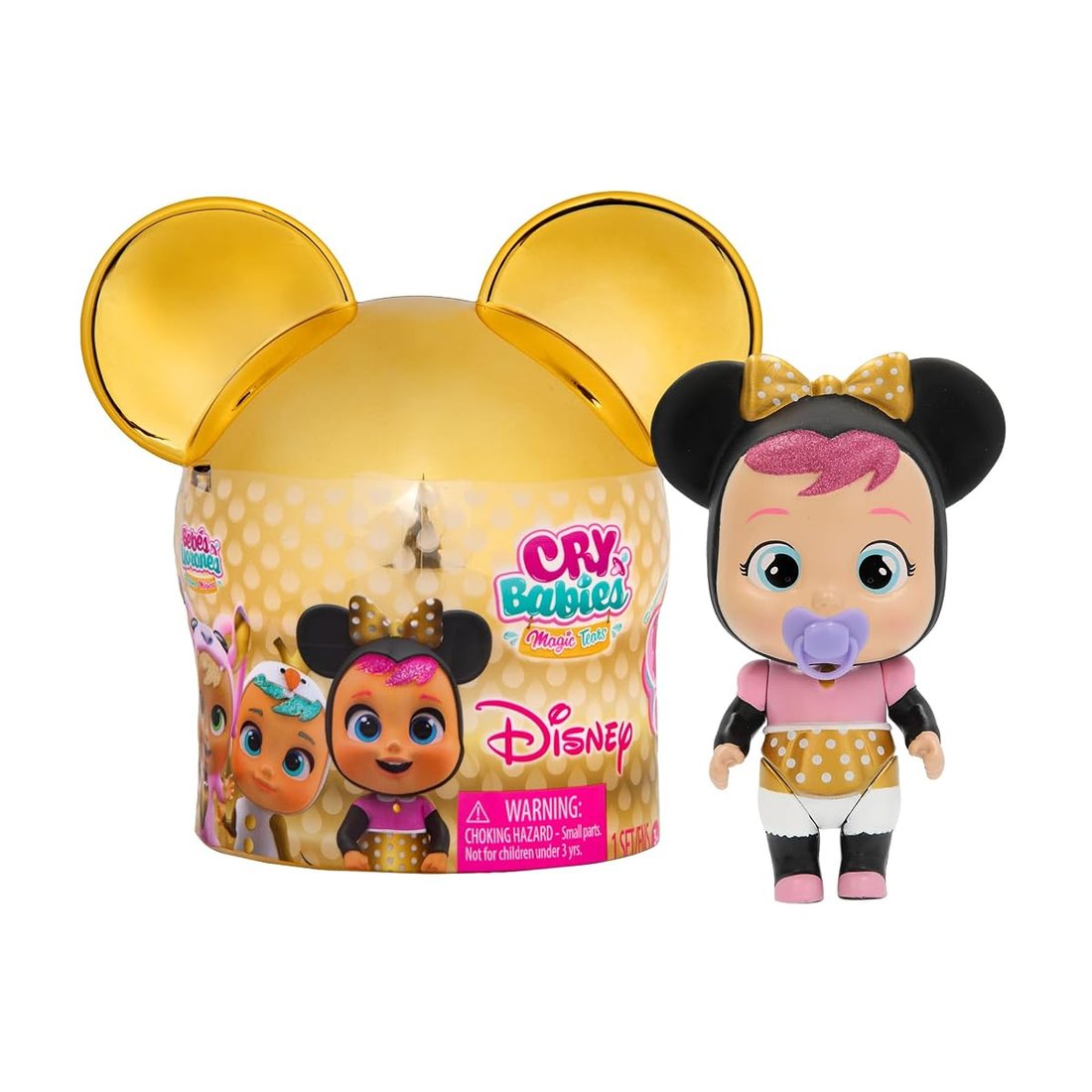
The Gold Edition capsule at the end of the room is the cheapest way into the Disney side of the collection: a mystery mini doll inside a golden house shaped like mouse ears, with seven accessories and seven characters in the pool.
Take the two mechanisms one at a time, because the difference decides who the doll is for. The twelve-inch Minnie and Stitch hold water behind the face and run a pump on batteries: pull the pacifier out and the eyes light up while real tears run down the cheeks, put it back and she settles. The soft Mickey and Stitch have a bladder in the head instead — you open the hole on top, add tap water and press. Same tears, no sound, no battery door, and a body that can be carried by one arm all day.
Costumes are the whole point of this suite, so it matters that they are sewn on rather than removable. Minnie keeps her dotted dress, her bow and her shoes; Stitch keeps his onesie with the ears and the ridge down the back; Mickey's pyjamas are printed with his own face. Children who want clothes they can take off and swap between dolls will be happier with the capsule dolls in the Attic, where the clothes are loose fabric and every character shares one body size.
This is also the shelf where licences expire. A Disney Cry Babies doll is made in a run, and when the run ends the listing goes quiet for months at a time — which is why a collection built around the crossovers costs more patience than money. If you are looking for a specific character for a birthday, buy it when you see it rather than when you need it.
For ages, the big babies are marked eighteen months and up and the soft ones start lower, so either side of the room works as a gift for a toddler. The Gold Edition is the exception: it is a surprise capsule with small loose accessories inside, marked three and up, and it makes far more sense for a child who already knows the characters than as somebody's first Cry Babies doll. Girls and boys both get the same joke here — a baby dressed as somebody else's cartoon — and that, more than the tears, is why these sell out.
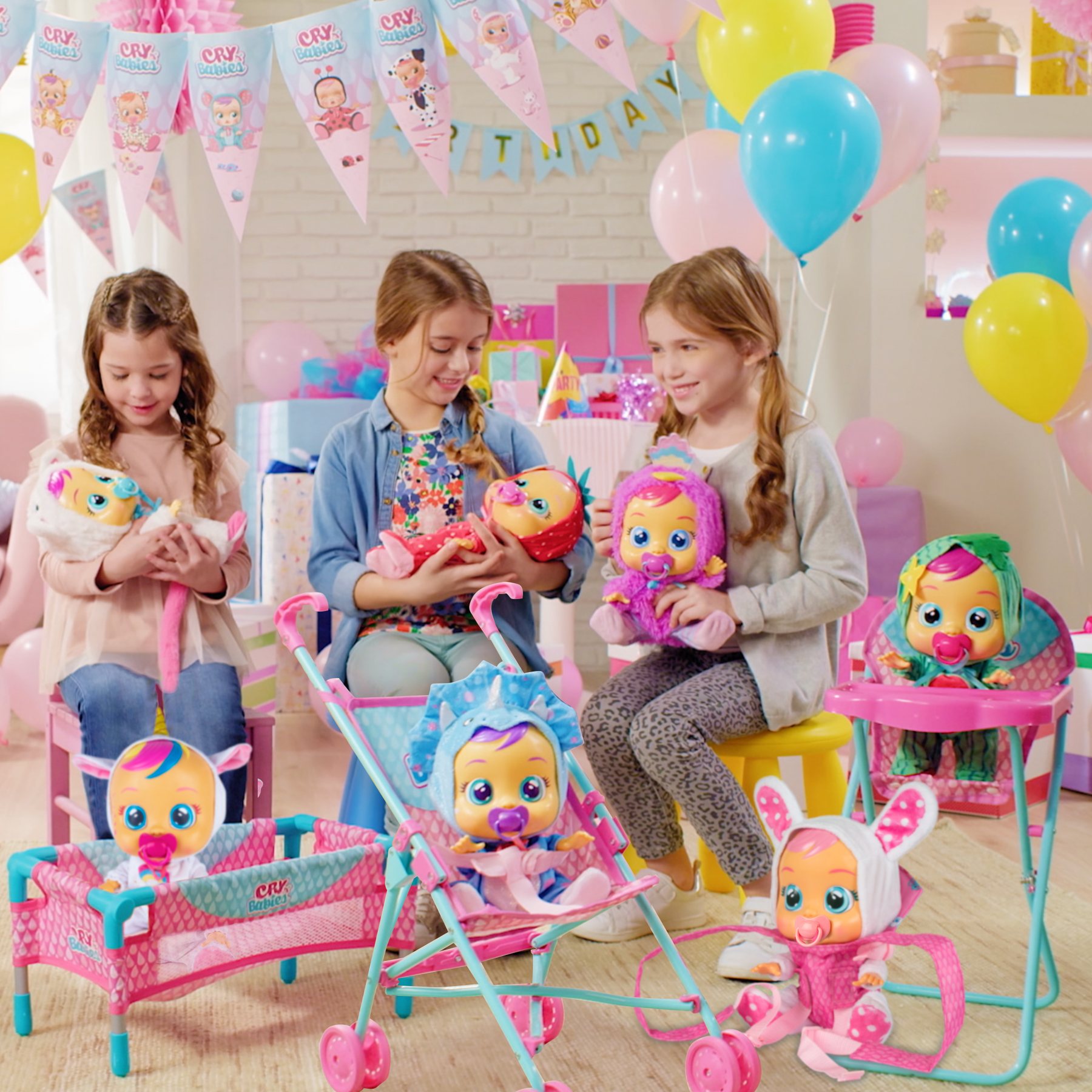
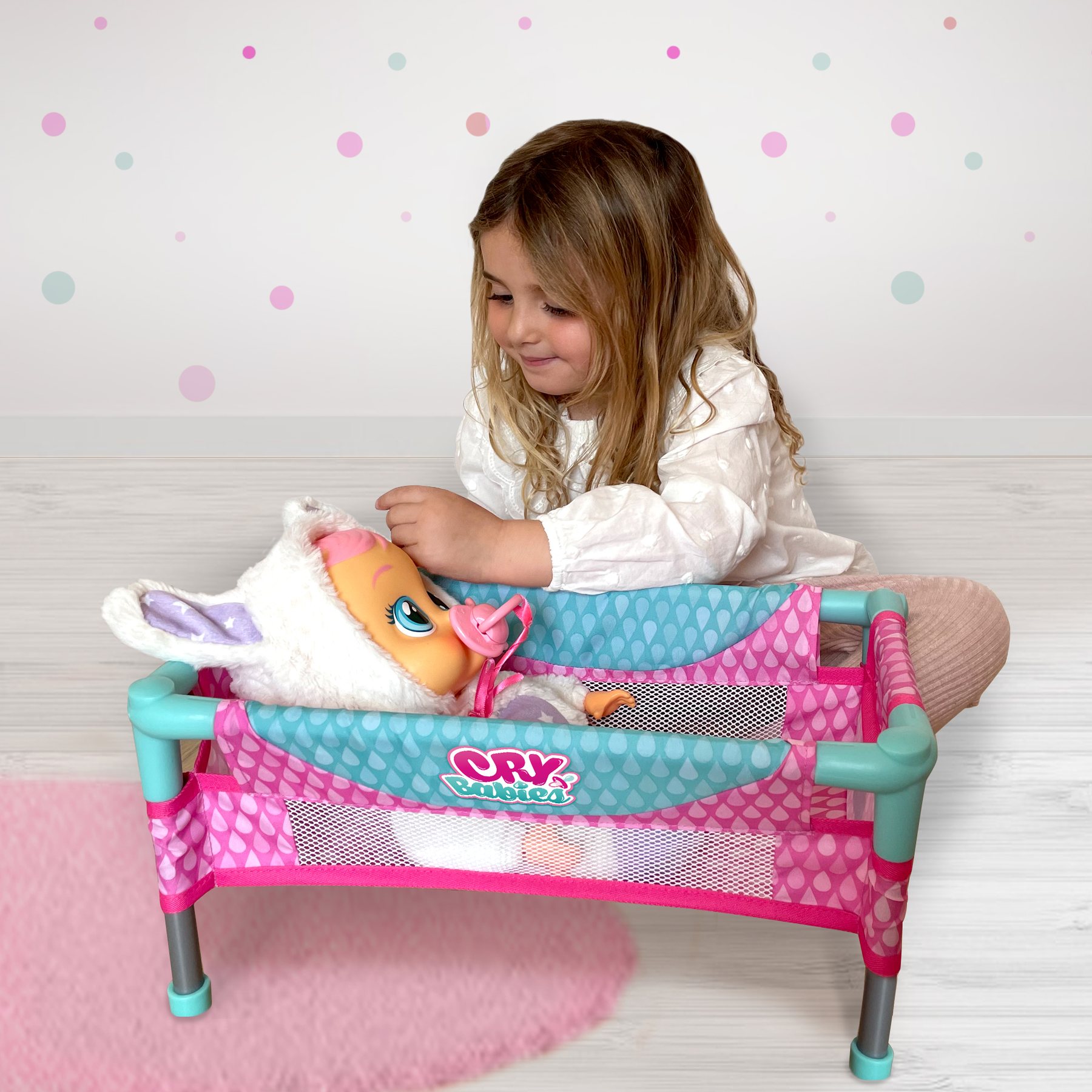
Which one to buy comes down to what the child already loves. A child who loves the crying wants the twelve-inch baby with the lit-up eyes; a child who loves the character wants whichever face she knows, in whichever size she can carry around. Either way it is the kind of baby doll toy that gets played with alongside everything else in the house — Minnie ends up in the folding crib from the Stroller Porch, soft Stitch ends up asleep in a playset built for somebody else. Nothing in the set stops them mixing, and children never ask permission.
A note for anyone old enough to remember the first wave of these dolls: the licensed babies are a newer idea than the line itself, and nothing has changed under the costume. Same water, same pacifier as a switch, same clothes size as the rest of the twelve-inch babies. If an older Cry Babies doll already lives in the house, a Disney baby will share her outfits, her bottle and her bed from the day she arrives — which makes this room an easy second purchase rather than a parallel collection.
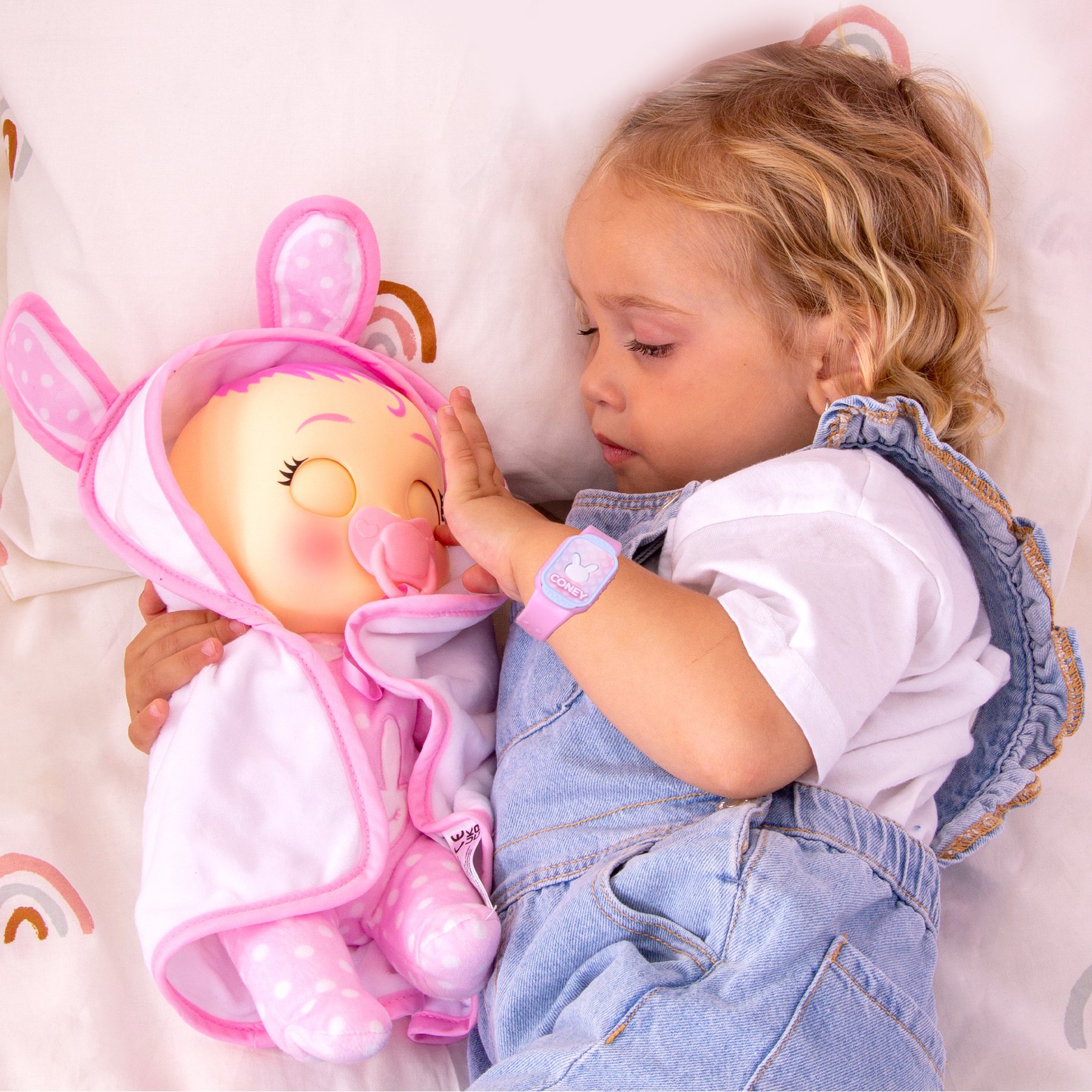
For play value, the two Disney Tiny Cuddles babies are the quiet winners of the suite. They open no boxes, need no batteries and cry whenever a child decides it is time; they sit in a pushchair, travel in a bag and come back out at bedtime. The big ones are the better toy at a table, the soft ones are the better toy everywhere else, and at these ages most children end up using them for two completely different games.